Iceland's wind is the trip's defining feature, and most Singaporeans don't take it seriously enough. Reykjavík averages a daytime high of 4°C in March, which sounds civilised. The wind that comes off the North Atlantic, funnelled by the volcanic landscape, makes that 4°C feel like −12°C and can briefly lift a 60kg adult off their feet. There are car-rental insurance clauses about doors being ripped off in parking lots. They are not jokes.
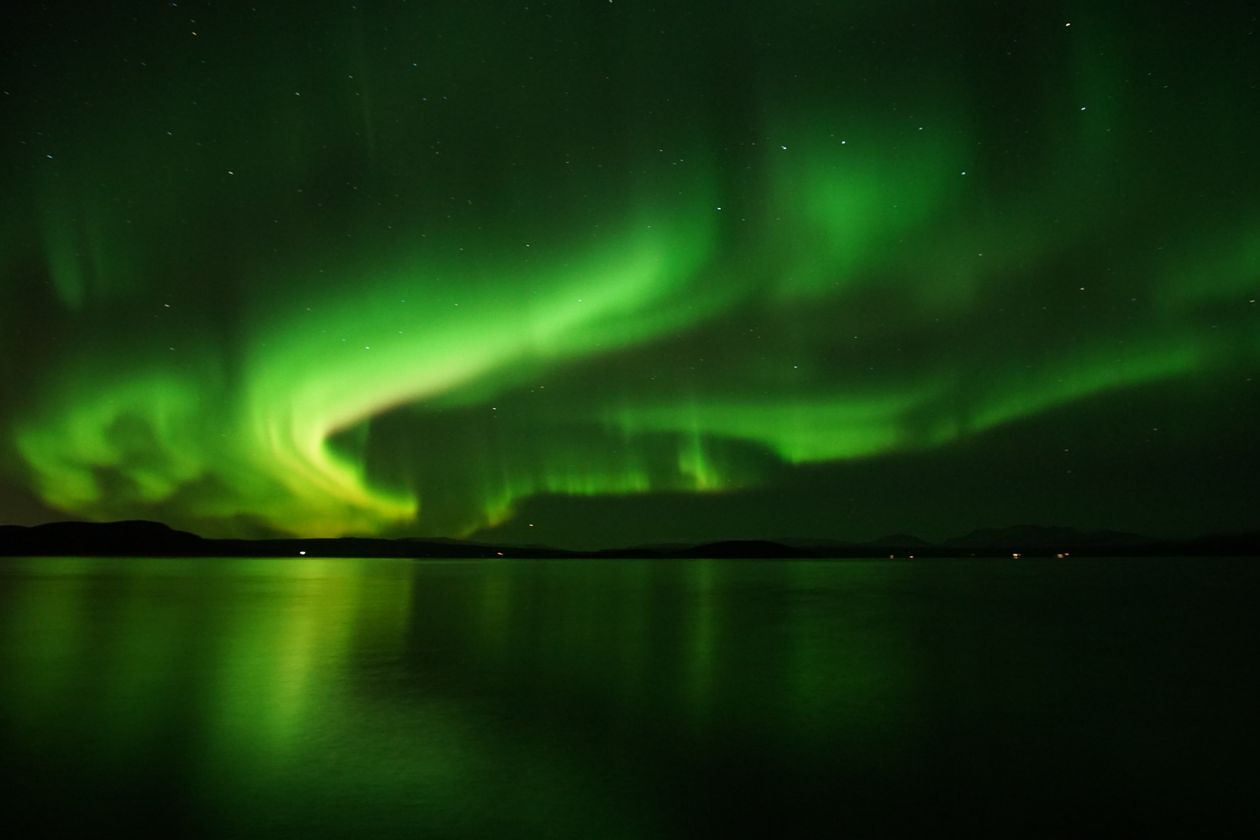
This guide is for the trip Singaporeans actually take: a self-drive 7- to 10-day winter loop based out of Reykjavík, with day trips along the south coast (Vík, Jökulsárlón), maybe a Snæfellsnes peninsula day, and at least three nights of aurora-chasing in remote car parks at midnight.
The honest weather
March in Iceland is technically late winter, with daytime highs of 1–4°C and overnight lows of −4°C in Reykjavík. The interior and the highlands are colder. The actual variable that matters is wind: average wind speed of 25–35 km/h with regular gusts above 60 km/h. On a forecast 0°C day with 50 km/h wind, the felt temperature is around −15°C.
The other variable is daylight. By March you have meaningful daylight (12+ hours by mid-month) and reasonable aurora odds. December and January are darker but colder; February has the best aurora statistics. We pick March because it's the easiest first Iceland trip.
The wind-first packing rule
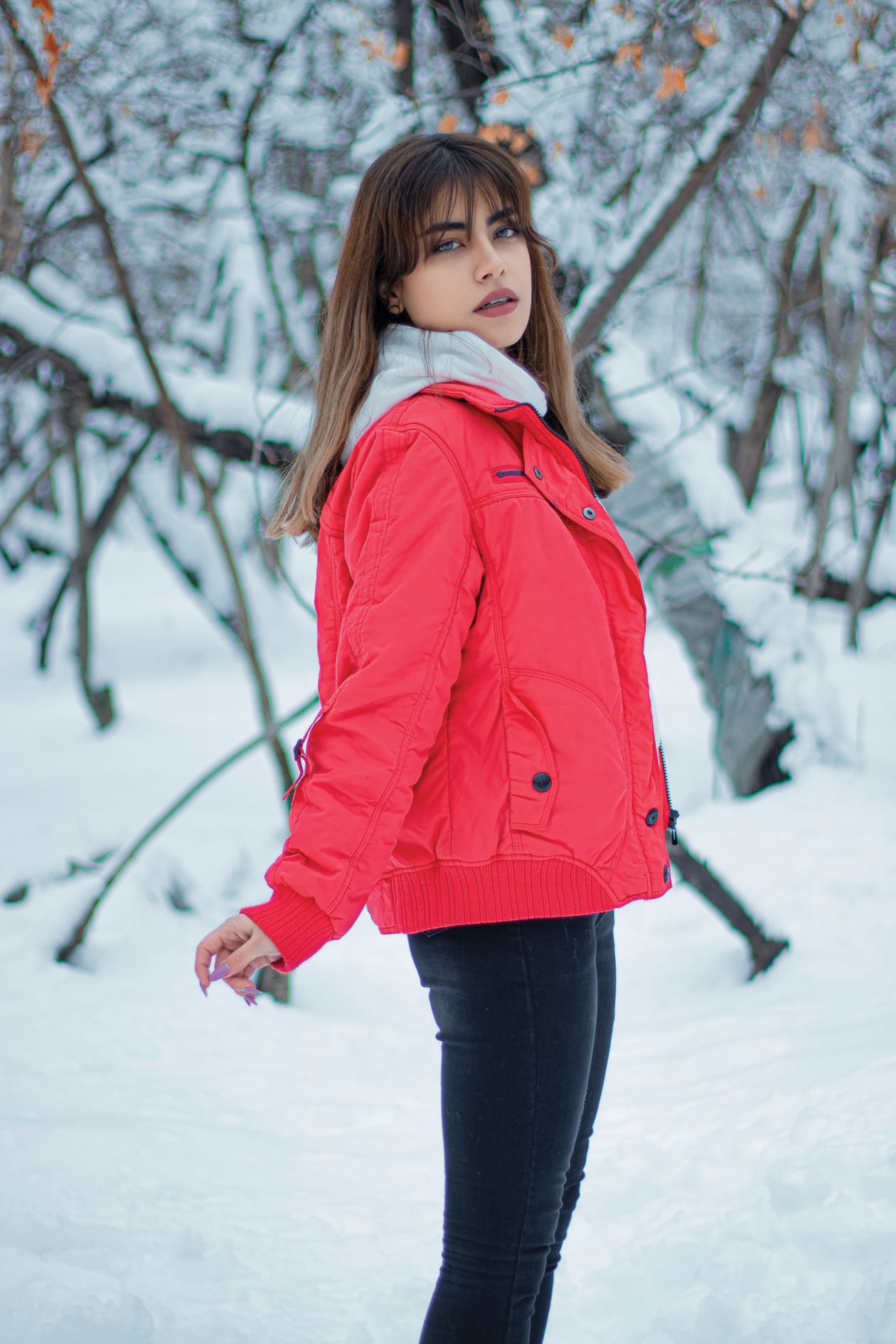
Iceland inverts the usual layering hierarchy. Insulation matters less than wind blocking. Down jackets without windproof outer fabric are essentially decorative. The system that works:
- Base: Merino top + bottom, 200gsm. Non-negotiable.
- Mid: A thick fleece OR a synthetic insulator (which performs better than down when the inevitable sleet finds you).
- Outer: A genuinely windproof, waterproof shell — Gore-Tex or equivalent. This is the most important piece in the whole kit.
For the coldest aurora-watching nights, add a heavy insulated parka over the shell. Yes, that's four layers. Yes, you'll wear them all on the same night.
Trousers, boots and the standing-still problem
Aurora-chasing involves standing still in remote car parks for 30 to 90 minutes at a time. This is fundamentally different from skiing, where you generate body heat. Standing still in Icelandic wind, you lose heat fast.
The boots: insulated waterproof boots rated to at least −20°C. Not "winter boots". Real ones. Sorel Caribou, Baffin Impact, equivalent. Two pairs of merino socks inside, one thin and one mid-weight, room to wiggle toes. Cold feet end aurora hunts.
The trousers: insulated waterproof trousers over a merino bottom layer. Jeans are categorically wrong here. If you only own ski pants, those work too — they're built for exactly this kind of standing-around-cold.
The hands problem (and the photography mitten trick)
If you're carrying a camera or running a tripod for aurora photography, gloves are a problem: dexterity vs. warmth, you can't have both. The trick experienced photographers use:
- A thin liner glove (merino or synthetic) you can keep on while pressing buttons.
- A heavy mitten over the top, that you remove for 30 seconds when you need to operate the camera, then put back on.
- One disposable hand warmer inside each mitten.
Heated mittens with rechargeable batteries are the upgrade if you're shooting all night. They genuinely change the experience.
Iceland's wind decides what you wear. The temperature is almost beside the point.
The car-and-driving kit
Self-driving Iceland in winter is mostly fine on the Ring Road but requires a few specific clothing choices:
- Slip-off shell. Driving in a heavy insulated jacket is uncomfortable and unsafe — the seatbelt slips. A two-piece system (light insulator inside, heavy shell over) lets you drop the shell in the boot.
- Boots that drive. Heavy snow boots are clumsy on pedals. We recommend tall waterproof boots with reasonable sole flexibility — Sorel Caribou is the classic answer.
- Always carry the full layered kit in the car. Conditions can shift in 20 minutes. The forecast is unreliable by Singapore standards.
- Sunglasses. The sun on snow at low angles is genuinely blinding.
The aurora-watching kit (the one you actually need)
Standing in a car park at 11pm in March, 50km from any town, in the dark:
- Merino base layer, top and bottom.
- Heavy fleece or synthetic insulator.
- Heavy down or synthetic parka.
- Hardshell windbreaker over the parka if it's actively gusting.
- Insulated trousers over base layer bottom.
- Heavy boots, two pairs of socks.
- Mittens with hand warmers.
- Balaclava covering nose and mouth (the cold air is brutal on lungs after 30 minutes).
- Headlamp on red mode (white light kills your night vision and ruins everyone else's photos).
- Thermos of hot tea. Genuinely.
The Blue Lagoon, Sky Lagoon, and other "warm" days
Don't let the geothermal pools fool you. The walk from changing room to lagoon is brutally cold. Wear flip-flops or sandals to the edge, then leave them in the locker room — most lagoons have a path that minimises the freeze. Bring a fleece beanie to wear in the water (your head will be cold even if your body is at 38°C). Pre-condition your hair with the supplied conditioner — Icelandic geothermal water is alkaline and will turn your hair into straw otherwise.
What to actually buy vs. rent
Buy: merino base layers (lifetime use), wool socks, a balaclava (cheap), headlamp.
Rent: the windproof shell, the heavy parka, insulated trousers, the −25°C boots. These are extreme-spec items used for one trip in your life unless you're going back.
Borrow: tripod, dry bag, action camera if your kid has one.
Packing list (TL;DR)
- Merino base layers (top + bottom, 2 sets)
- Heavy fleece or synthetic mid-layer
- Insulated parka (rented)
- Windproof waterproof hardshell (rented)
- Insulated waterproof trousers (rented)
- −20°C waterproof boots (rented)
- 3× pairs merino socks, 2× thin liner socks
- Heavy mittens + thin liner gloves
- Balaclava + thermal hat
- Sunglasses with side blockers ideally
- Headlamp (red mode capable)
- Hand warmers (10-pack minimum)
- Thermos, lip balm, hand cream, electrolytes
- Swimwear + flip-flops (lagoons)
The mistakes we see every year
1. Down without windproofing. Iceland will eat your nice down jacket alive in 60 seconds.
2. Hiking boots instead of insulated boots. Hiking boots are fine for trails. They are not warm enough for standing still at midnight in March.
3. Underestimating the headwind on a glacier walk. Even guided easy walks involve serious wind exposure. Full kit, every time.
4. Forgetting eye protection. Sun on snow on a clear day is properly blinding.
The bottom line
Iceland is not a "buy a parka and you're fine" trip. It's a wind problem disguised as a temperature problem. The kit that wins is a windproof waterproof shell, layered with serious insulation underneath, plus boots and accessories built for standing still in the cold. Spend on the shell, rent the heavy stuff, buy the small fundamentals.
Then go stand in a car park at midnight and watch the sky do something you'll think about for the rest of your life.