This is the question the gear shop assistant in Sapporo will not answer honestly, because they want to sell you the more expensive option. The two-paragraph answer is below. The long version, with the trade-offs nobody tells you, comes after.
The two-paragraph answer: If you're going somewhere dry-cold (Hokkaido, Korea, continental Europe in late winter, the Canadian prairies), buy or rent down. It's warmer per gram, packs smaller, lasts longer, and the dry climate means it stays fluffy. If you're going somewhere damp-cold (UK winter, Christmas markets in mainland Europe, Iceland's coastal areas, NZ winter, anywhere with regular rain or wet snow), choose synthetic — or down with a properly waterproof outer shell. Synthetic insulation keeps performing when wet; down does not.
For most Singaporeans on most trips, a synthetic or hybrid jacket is the lower-risk choice. Down is the upgrade if you know your destination is dry and you're going more than once.
Why this question matters more than the brand question
Singaporeans buying their first cold-weather jacket usually think the decision is "Patagonia vs. The North Face vs. Uniqlo". It isn't. Within any of those brands, the bigger choice is what's stuffed inside the jacket. Down and synthetic insulation behave fundamentally differently, and picking the wrong one for your destination is a much bigger mistake than picking the "wrong" brand.
What down actually is
Down is the soft fluffy under-feathers of waterfowl — usually duck or goose. It's measured by:
- Fill power: a number from 400 to 900+. Higher = fluffier and warmer per gram. 600+ is good, 800+ is excellent.
- Fill weight: the actual weight of down stuffed inside. A 100g fill 800-power jacket is warmer than a 100g fill 600-power jacket.
Down's superpower is its weight-to-warmth ratio. A great down jacket weighs 400g and keeps you warm at −15°C. Nothing synthetic comes close on this metric.
Down's weakness is water. Wet down clumps; wet clumped down doesn't trap air; without trapped air, it doesn't insulate. A soaked down jacket can lose 80% of its warmth.
What synthetic insulation actually is
Synthetic insulators are short polyester fibres engineered to mimic down. The big names: PrimaLoft Gold, Coreloft, ThermoBall, Climashield. They're measured in grams per square metre (g/m²) — typically 60 to 200g/m² in real-world jackets.
Synthetic's superpowers:
- Warm when wet. Loses maybe 20% of its insulating power when soaked, vs. 80% for down. Dries in hours, not days.
- Cheaper. A great synthetic jacket costs S$200–400; an equivalent-warmth down jacket costs S$500–800.
- Lower maintenance. Wash it normally, no special detergents, no air-fluffing required.
- Hypoallergenic and ethically simpler. No animal-source debate.
Synthetic's weaknesses:
- Heavier and bulkier for the same warmth. A 60g/m² PrimaLoft jacket is roughly equivalent to a 100g 800-fill down jacket — but it's heavier and packs bigger.
- Loses loft over time. After 100+ wash/wear cycles, synthetic insulators flatten and lose warmth. Down recovers loft for years longer.
Down rewards dry climates and patient owners. Synthetic forgives bad weather and rough use.
The destination-by-destination call
Down wins for:
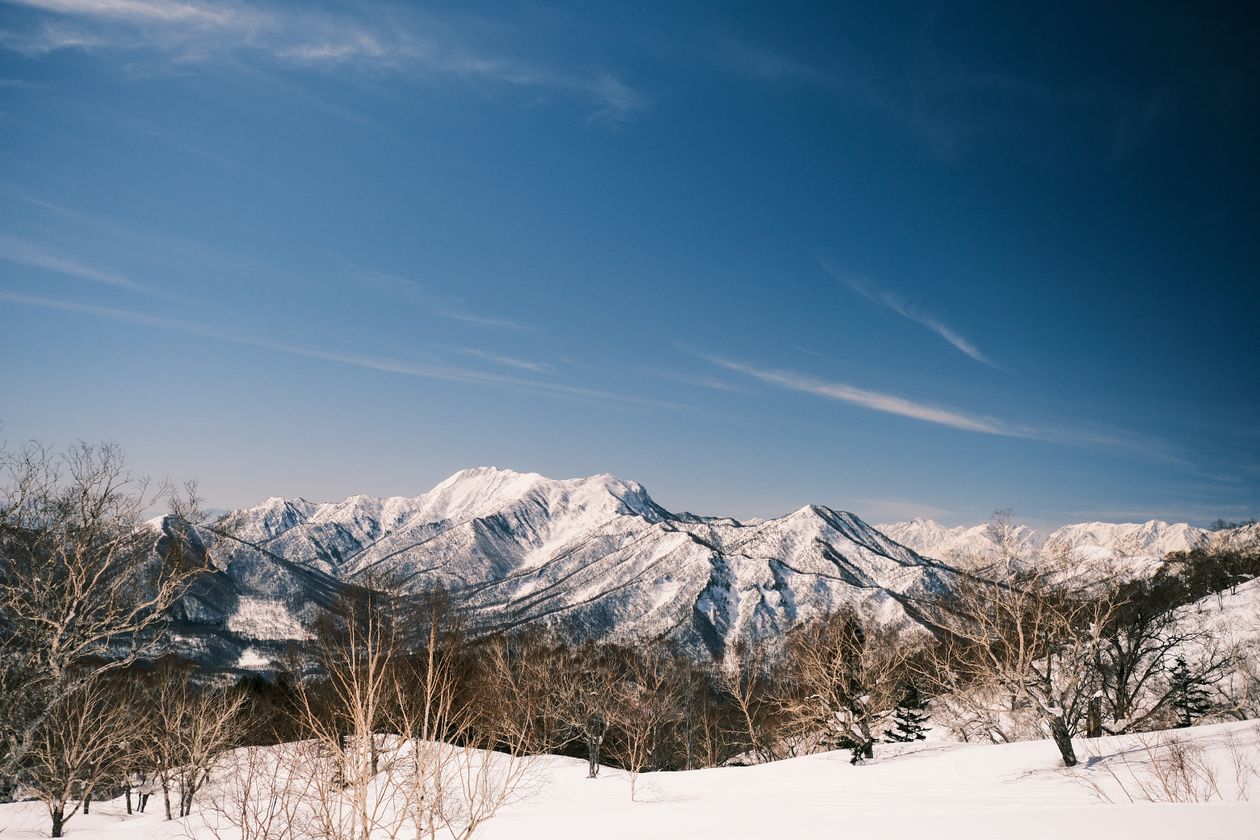
- Hokkaido / Niseko skiing. Dry powder snow, sub-zero temperatures. Down's territory.
- Seoul / Korean winter. Cold, dry, windy. Down with a wind-resistant outer is ideal.
- Vienna / Prague Christmas markets. Generally dry continental cold.
- Northern Lights in February. Dry cold, low humidity.
- Anywhere you'll be carrying your jacket in luggage. Down's pack-down size matters.
Synthetic wins for:
- UK winter. Damp, drizzle, the constant possibility of light rain.
- Christmas markets in lower-altitude German / French cities. Mild but wet.
- Iceland coastal trips. Wind, sleet, salt spray. Down dies here.
- NZ winter (Queenstown, Australian Alps). Maritime climate, wet snow, plenty of rain at lower altitudes.
- Family ski trips with young kids. Kids fall in snow constantly. Synthetic forgives.
- Trips where you'll only be cold-weather kit'd up for one or two days a year. Lower investment, more forgiving storage.
The hybrid option (and why it's actually clever)
Many modern jackets — including Patagonia's Macro Puff, Arc'teryx's hybrid pieces, and most rental shells designed for European trips — combine down in the high-warmth, low-exposure zones (chest, back) with synthetic insulation in the high-moisture zones (cuffs, hems, shoulders). This gives you most of down's warmth-to-weight while protecting the failure points.
Hybrid jackets are a smart choice if you don't know your destination's weather precisely. They're also a great rental category — you get the engineering benefit without paying flagship prices.
The waterproof down myth
"Hydrophobic down" or "DWR-treated down" is real — it's down whose feathers have been chemically coated to resist initial water absorption. It's better than untreated down. It is not a substitute for a proper waterproof outer shell.
If you see a jacket marketed as "waterproof down", what it actually means is: 1) the outer fabric is waterproof, 2) the down inside has a DWR treatment for added margin. The waterproof-ness comes from the shell, not the down. Don't rely on hydrophobic down to save you in proper rain.
Care and storage in Singapore
Singapore's humidity is murder on cold-weather kit. Specifically:
- Down: Store loose (not compressed) in a breathable cotton bag. Hanging is fine. The number-one mistake is storing a down jacket in its own packing sack between trips — the down compresses, loses loft, and develops a musty smell.
- Synthetic: Same — hang in a breathable bag. Less critical than down. Wash before long-term storage.
- Both: Avoid plastic garment bags (they trap moisture) and avoid bomb-shelter storage without humidity control.
This is a good argument for renting, by the way. Specialist rental companies have the climate-controlled storage that your HDB doesn't.
Ethics, briefly
Down comes from birds, often from the foie gras industry, and the supply chain has had real welfare problems. The Responsible Down Standard (RDS) and Global Traceable Down Standard (GTDS) are two reputable certifications; reputable brands will list one of them. If this matters to you, look for the certification or choose synthetic — both are valid positions.
The bottom line
Down is warmer per gram, packs smaller, lasts longer, and costs more. It hates getting wet. Synthetic is more forgiving, cheaper, easier to live with, and works when wet. It's heavier for the same warmth.
For your first cold-weather trip, if you're going somewhere dry: rent or buy down. If you're going somewhere wet: synthetic. If you don't know: hybrid, or a synthetic 3-in-1 shell. The brand matters far less than the insulation choice.