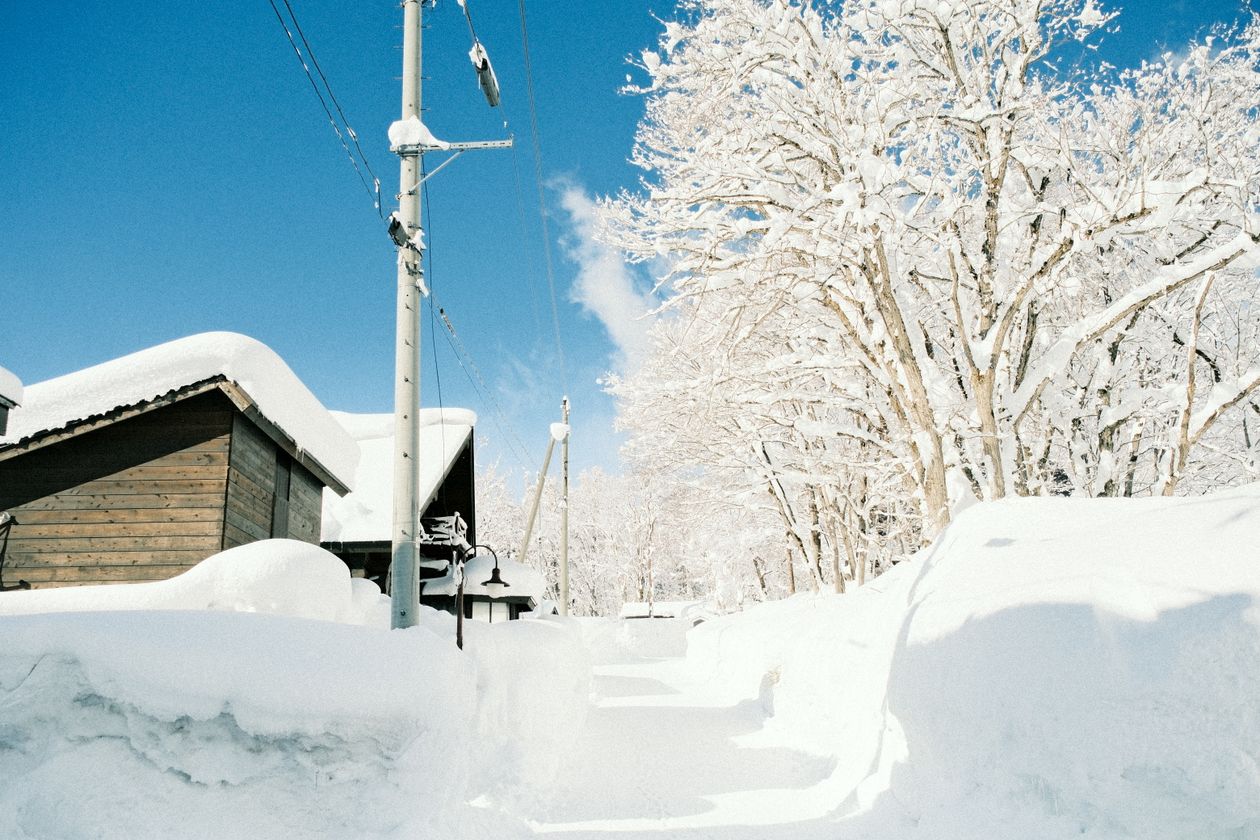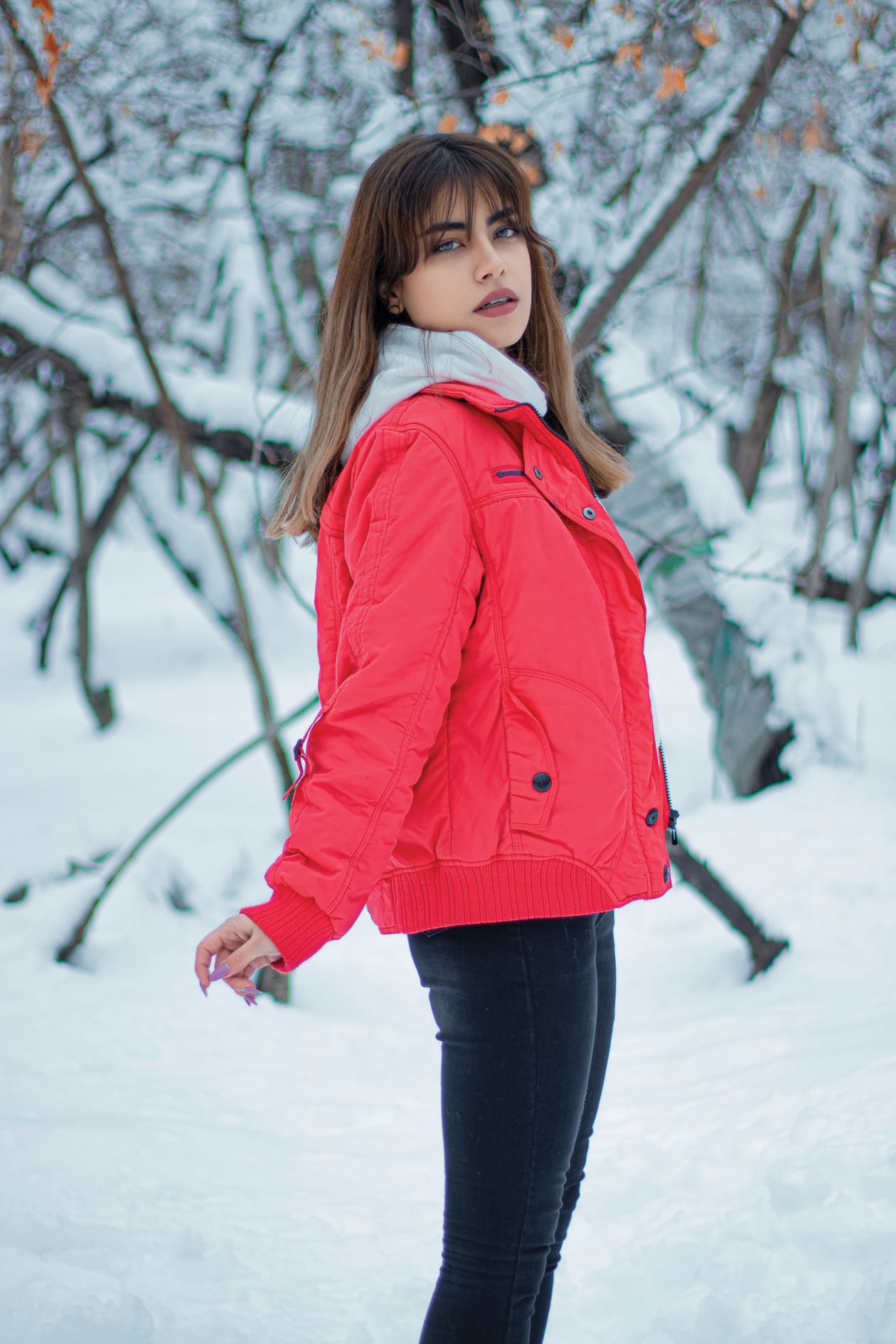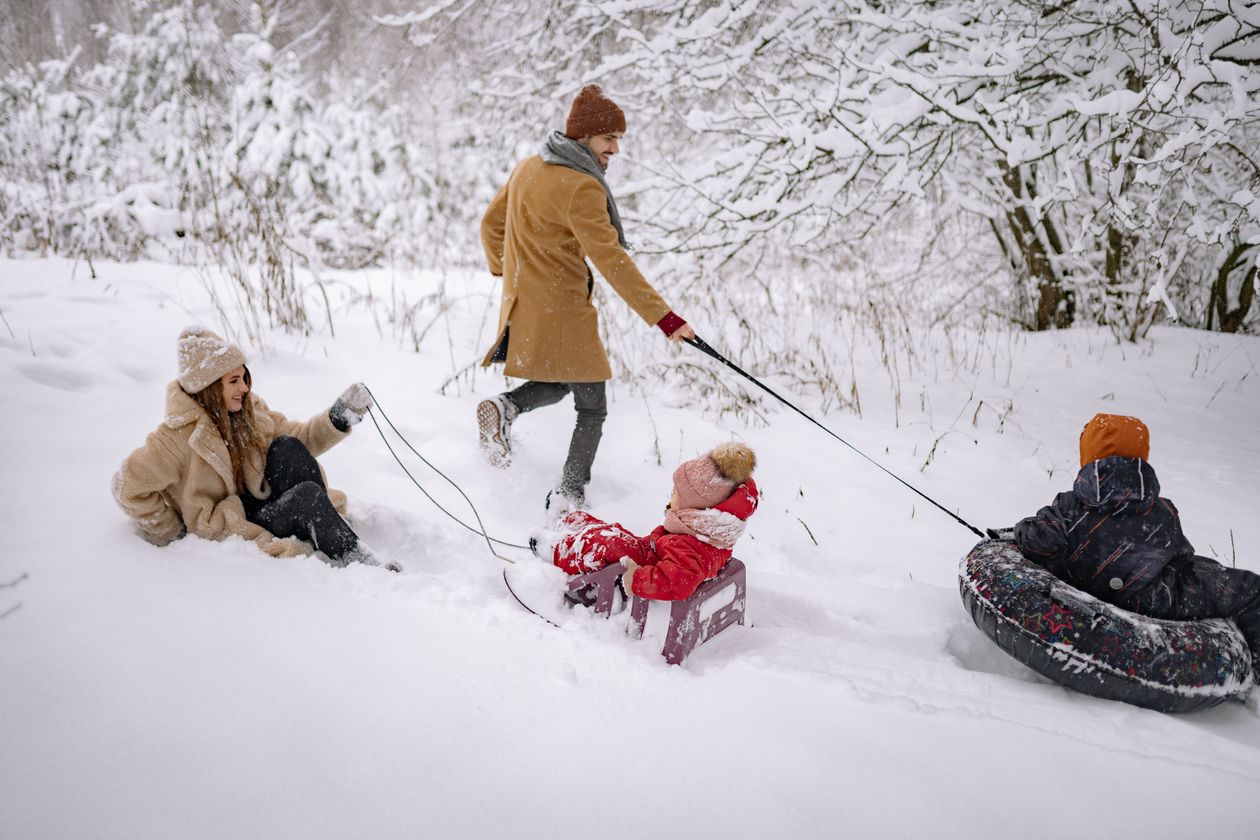
Let's just get the temperature out of the way. Niseko in January averages a daytime high of −5°C and a nighttime low of −12°C, but those are the easy numbers. The figure that ruins holidays is the windchill on the upper lifts, which can drop to −25°C on a bad day. If you arrive with a Uniqlo Ultra Light Down and a beanie from Don Don Donki, you will be miserable inside ninety minutes.
This guide assumes you are a Singaporean who has never owned cold-weather clothing, who is going skiing or snowboarding for between five and ten days, and who would rather not spend $3,000 on a wardrobe you'll wear once a year.
The honest weather, week by week
Niseko's January weather is famously consistent: it snows almost every day, the temperature barely moves, and the wind is what makes the difference between a great day and a brutal one. Daytime base temperatures sit between −4°C and −8°C; on the upper lifts at Hirafu and Hanazono, you'll see −12°C to −18°C with windchill considered. By 7pm in Hirafu village it's typically −10°C and snowing. Late January and the first week of February are statistically the snowiest two weeks of the year — which is why everyone in Singapore wants to go then.
The layered system that works
Forget the two-layer "jacket and jumper" model your aunty in Vancouver swears by. Sub-zero powder skiing needs three working layers and an outer shell:
1. Base layer (next to skin)
Merino wool, 200gsm. Top and bottom. The Uniqlo Heattech Extra Warm is acceptable for one-day Tokyo trips but not for sweating into for seven days of skiing. Merino regulates moisture, doesn't smell, and you can wear the same set for three days without anyone hating you.
2. Mid layer (insulation)
A fleece or a light synthetic puffer. The job here is trapping warm air, not blocking wind. A 200-weight fleece (think Decathlon's Forclaz or anything similar) is fine. A light Patagonia Nano-Air or Arc'teryx Atom LT is excellent. You do not need both.
3. Insulated outer (the parka layer)
This is where most Singaporeans go wrong. You want a ski-rated insulated jacket — not a city puffer, not a rain jacket. Look for fill weight of 600+ for down or 80–100g/m² for synthetic, plus a snow skirt, hood that fits over a helmet, and pit zips. A −15°C rated parka is the sweet spot.
4. Outer shell (waterproof)
Some Singaporeans skip this. Don't. Niseko's snow is dry, but you'll be sitting in it on chair lifts, picking yourself up after falls, and walking from gondola to onsen in horizontal sleet. A 10,000mm+ waterproof rating shell over your insulator is the rule.
Some jackets combine layers 3 and 4. That's fine — and it's what most rented Niseko kits do, because it's simpler and warmer.
The bottom half
Skip the "I'll wear two pairs of leggings under jeans" plan. Insulated ski pants with a snow gaiter (the elastic cuff that goes over your boots) are non-negotiable. Cheap rental ski pants from the resort are usually fine but rarely fit Singaporean body shapes well — bringing your own (rented or owned) saves a 30-minute boot-room queue every morning.
Renting your outerwear isn't lazy. It's the move.
Hands, head, neck
The three places Singaporeans always get cold:
- Hands. Mittens are warmer than gloves. If you're new to skiing and your phone is in your jacket, mittens. If you're an intermediate who needs dexterity for poles, a 3-in-1 glove with a mitten shell over a liner glove.
- Neck. A merino neck gaiter is more useful than a scarf. Pull it up over your nose on chair lifts.
- Head. Helmets cover most of it. Off the slope, a wool beanie. Cotton ones get wet and stay wet.
Off-slope: the village kit
Hirafu and Niseko Village both involve walking between restaurants in −10°C with snow underfoot. Your ski boots are not appropriate footwear (they will give you blisters and you'll fall over). Bring or rent insulated waterproof snow boots — Sorel, Columbia, or any Japanese equivalent rated to −20°C.
For the onsen run: a thin pair of "house" thermals you can wear under a normal jumper, plus the snow boots. You'll layer down for the bath house, layer up for the walk back.
What to actually buy vs. rent
Buy: base layers (you'll use them again on every cold trip — they fold flat and weigh nothing) and a wool beanie.
Rent: the parka, the ski pants, the snow boots, the gloves. Why? Because you'll use them roughly seven days a year. A new ski parka is $400–1,500. A weekly rental is $95. The maths is obvious.
Borrow: a daypack and sunglasses if you have them. Both work fine.
Packing list (TL;DR)
- 2× merino base layer tops, 1× bottoms
- 1× mid-layer fleece or light puffer
- 1× insulated ski parka (rented)
- 1× insulated ski pants (rented)
- 1× snow boots (rented)
- 1× helmet (rent at resort)
- 1× snow goggles (buy or rent)
- 1× pair mittens or 3-in-1 gloves (rented)
- 1× wool beanie + 1× neck gaiter
- 3× pairs warm socks (merino, mid-weight — not ski socks for everyday)
- 1× pair waterproof everyday gloves for off-slope
- Lip balm with SPF, sunscreen (the snow reflects), hand warmers (a 10-pack from Don Don Donki is fine)
The mistakes we see every year
1. Cotton everything. Cotton hoodies, cotton socks, cotton t-shirts as base layers. Cotton holds sweat, gets wet, freezes. Wool or synthetic only.
2. The "I'll just buy a North Face when I land" plan. Sapporo's outdoor stores in January are a chaos of other tourists doing the same thing, sized for Japanese frames, and 30% pricier than buying back home.
3. Underestimating the village. You won't only be on the slopes. Plan for −10°C dinners and onsen walks too.
4. Skipping merino. One trip in synthetic base layers, one trip in merino, you will never go back.
The bottom line
If you're a Singaporean going to Niseko for the first time, here's the entire decision: rent a 3-in-1 parka, insulated ski pants, snow boots and gloves. Buy merino base layers (S$80 will get you a good set). Bring a beanie and warm socks. That's it. You'll be warmer than 80% of the people on the lifts, and you'll have spent maybe S$300 instead of S$2,000.
The mountain doesn't care what brand you're wearing. The system matters; the logo doesn't.