Japan in winter is the most-asked destination in our DMs by a factor of three. The country contains five entirely different winter climates within a 2-hour bullet-train radius, which is why "what should I pack for Japan in December?" is an unanswerable question without knowing where in Japan you're going.
This is the pillar guide. It covers Tokyo and Kyoto (mild urban), the Japan Alps and Nagano (alpine but accessible), Hokkaido (sub-Arctic ski country), Tohoku (snow country with hot springs), and Kyushu (technically winter, barely cold). Use it to figure out what you're walking into, then jump to the destination-specific articles for detail.
The five Japans, by climate
1. Tokyo, Yokohama, Kanto
December average daytime high: 10°C. January: 9°C. February: 10°C. Overnight lows: 1–3°C. Dry, sunny, windy. Snow once or twice a winter.
What you're packing: A wool overcoat or light insulated jacket. One merino base layer top. Normal jeans or wool trousers. Real shoes. Beanie and gloves only on the coldest evenings.
2. Kyoto, Osaka, Kansai
Almost identical to Tokyo, except Kyoto's old wooden buildings and historical inns aren't well heated. The "indoor cold" of a traditional ryokan is a real thing. Bring an extra fleece.
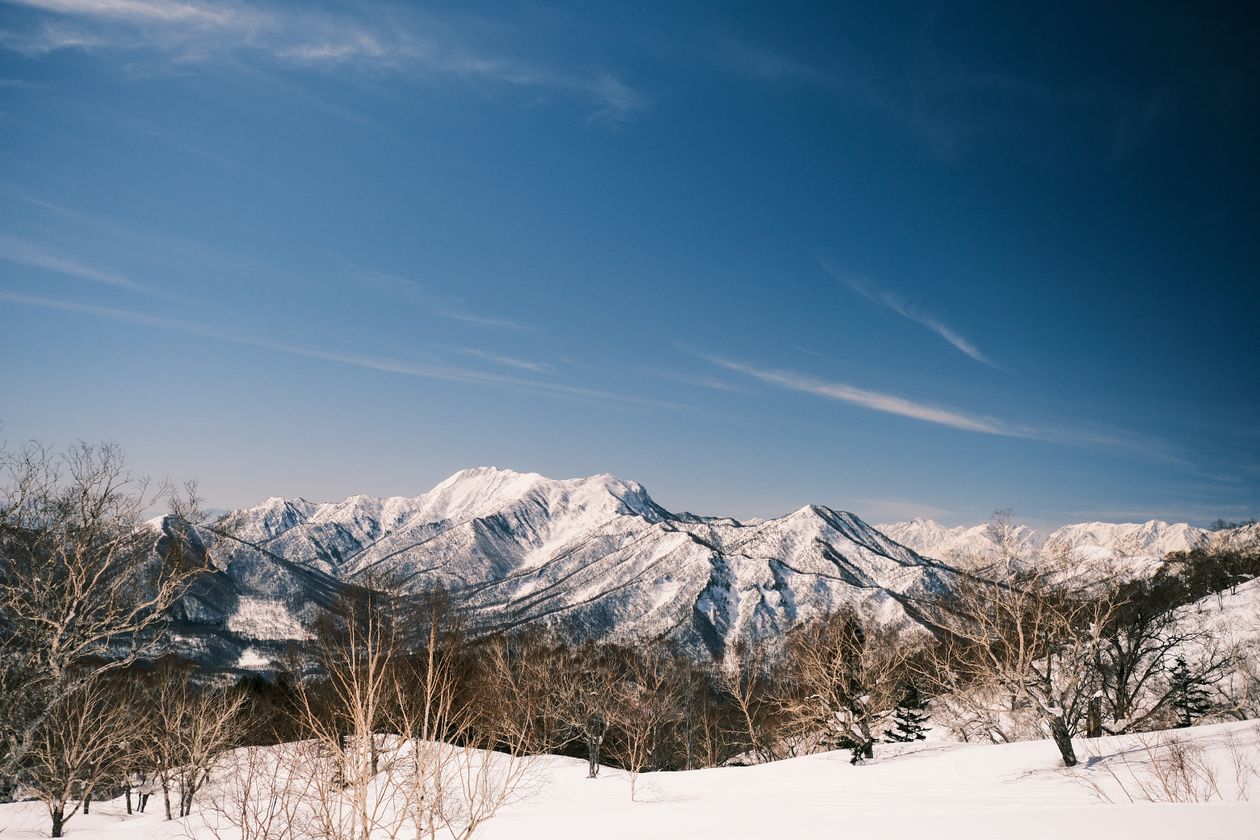
3. Nagano, Japan Alps, central Honshu
December average daytime high: 6°C. January: 4°C. Plus elevation: ski resorts at Hakuba, Shiga Kogen and Nozawa are at 1,200–2,000m, which means deeper sub-zero. Snow is consistent.
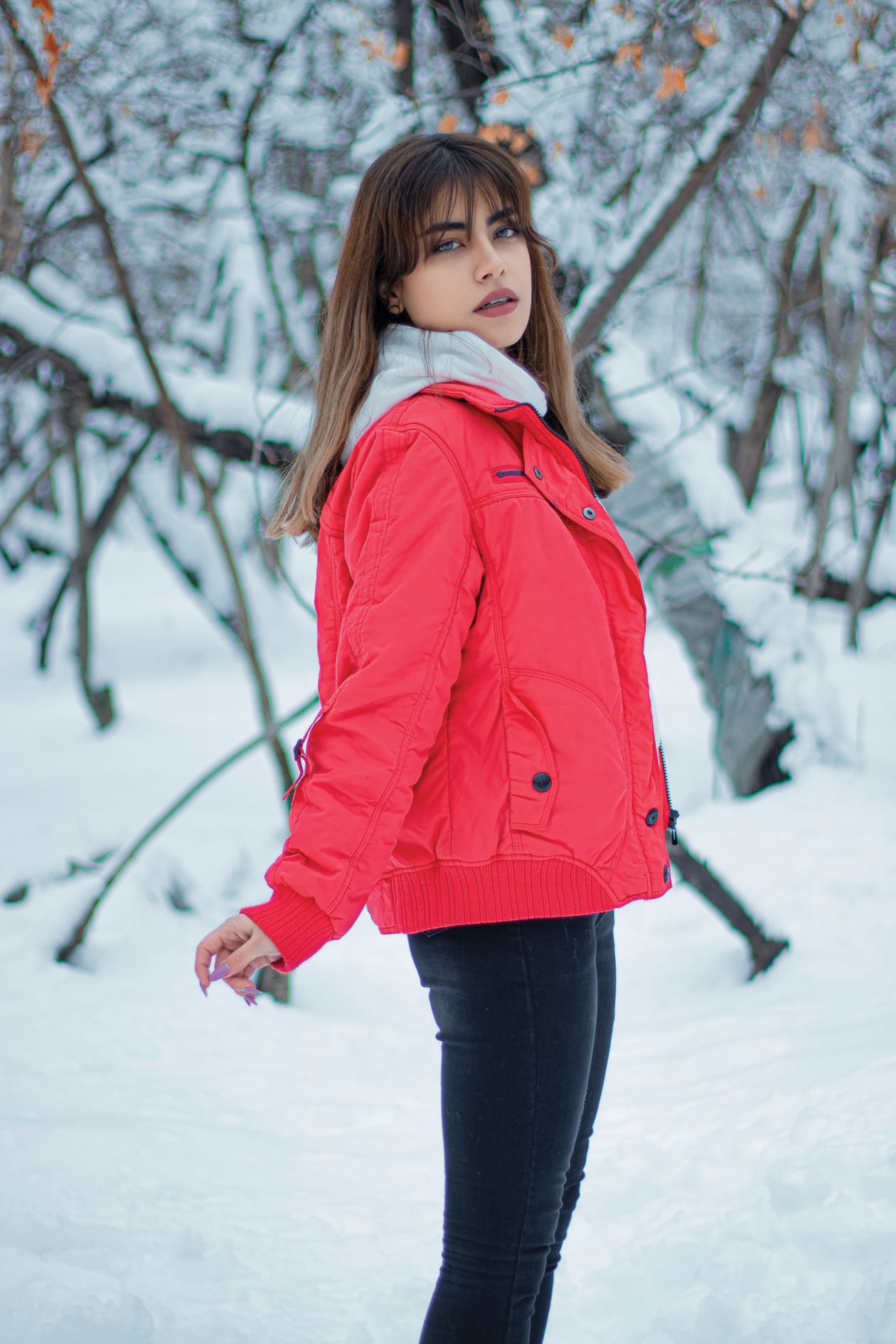
What you're packing: Insulated ski jacket if you're skiing; serious wool or down city parka if you're just visiting onsen towns. Insulated trousers for the slopes. Snow boots for towns like Nozawa.
4. Hokkaido (Sapporo, Niseko, Furano)
December average daytime high: −1°C. January: −4°C. Up at Niseko, daytime highs are −5°C and overnight lows can reach −15°C. Snow is the dominant feature; "powder paradise" is not marketing fluff.
What you're packing: Full ski kit if you're skiing. Heavy winter parka, insulated trousers and snow boots even if you're just sightseeing in Sapporo. See our Niseko packing guide for the detailed kit.
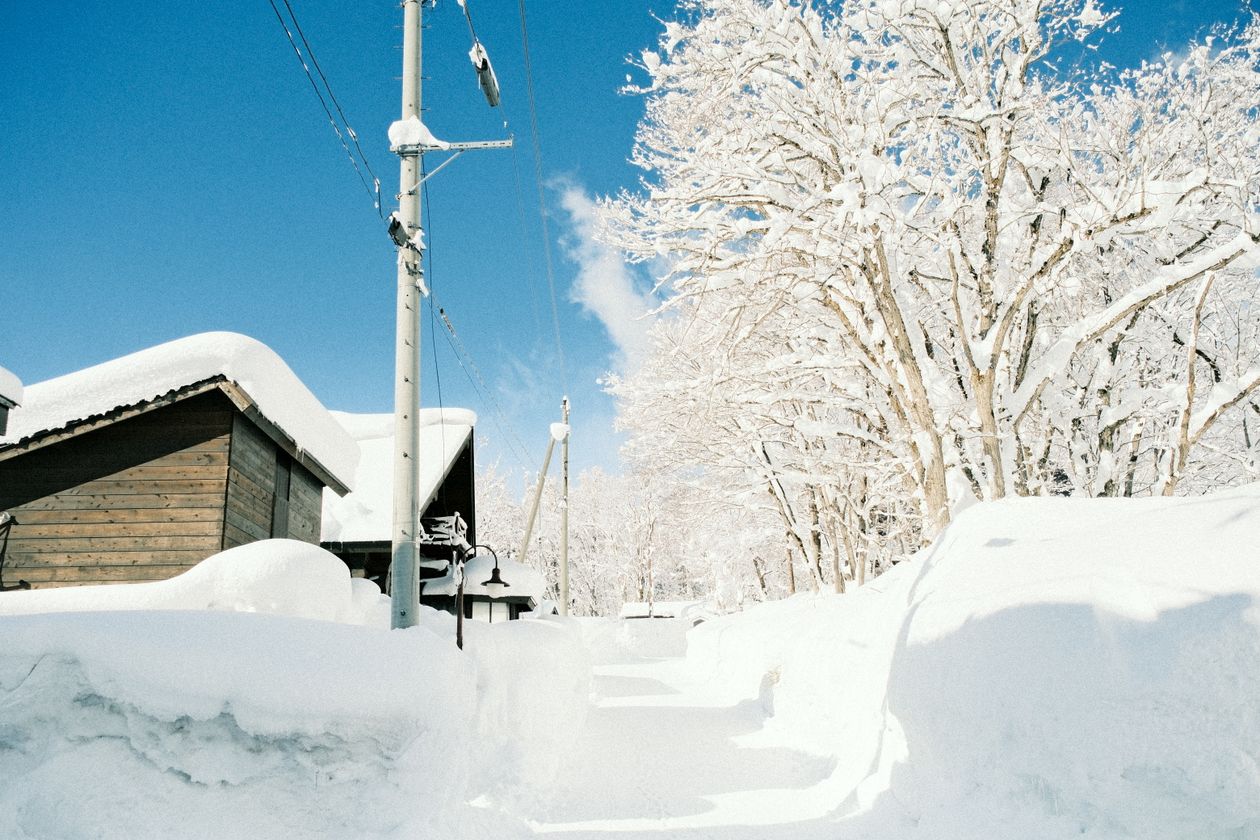
5. Tohoku, north Honshu
Aomori, Akita, Yamagata. Cold, snowy, atmospheric. The "snow monsters" of Zao Onsen are here. Daytime highs of 0–3°C in winter, with serious snow accumulation. The destination for hot-spring lovers.
What you're packing: Closer to Hokkaido kit than Tokyo kit. Don't underestimate it.
6. Kyushu and Okinawa
December–February daytime highs of 12–16°C. Cold by tropical standards. A jumper and a windbreaker is enough.
"What should I pack for Japan?" is six different questions. Answer the right one.
The trip-type planner
"We're doing Tokyo + Kyoto for 7 days in December."
Mild city trip. One insulated coat (mid-tier, no specialist rental needed), one merino base layer set, jumpers, jeans, real shoes. Beanie and gloves for early mornings and late nights. Total spend with jacket bought: under S$500.
"We're skiing in Niseko for 7 days in January."
Full ski kit. Rented or bought ski jacket and pants, merino base layers, snow boots, ski gloves, helmet (rent at resort). Total spend with kit rented: roughly S$300; bought: S$1,500+.
"We're combining Tokyo + Niseko in one trip."
This is the trickiest packing puzzle and the most common Singaporean itinerary. Two solutions:
- Pack the Niseko kit (heavy), wear the parka in Tokyo too. Slightly overdressed in Tokyo restaurants. Workable.
- Pack a Tokyo coat, rent Niseko outerwear locally or via a Singapore-based rental that'll deliver to your Tokyo hotel. Lighter suitcase, more flexible.
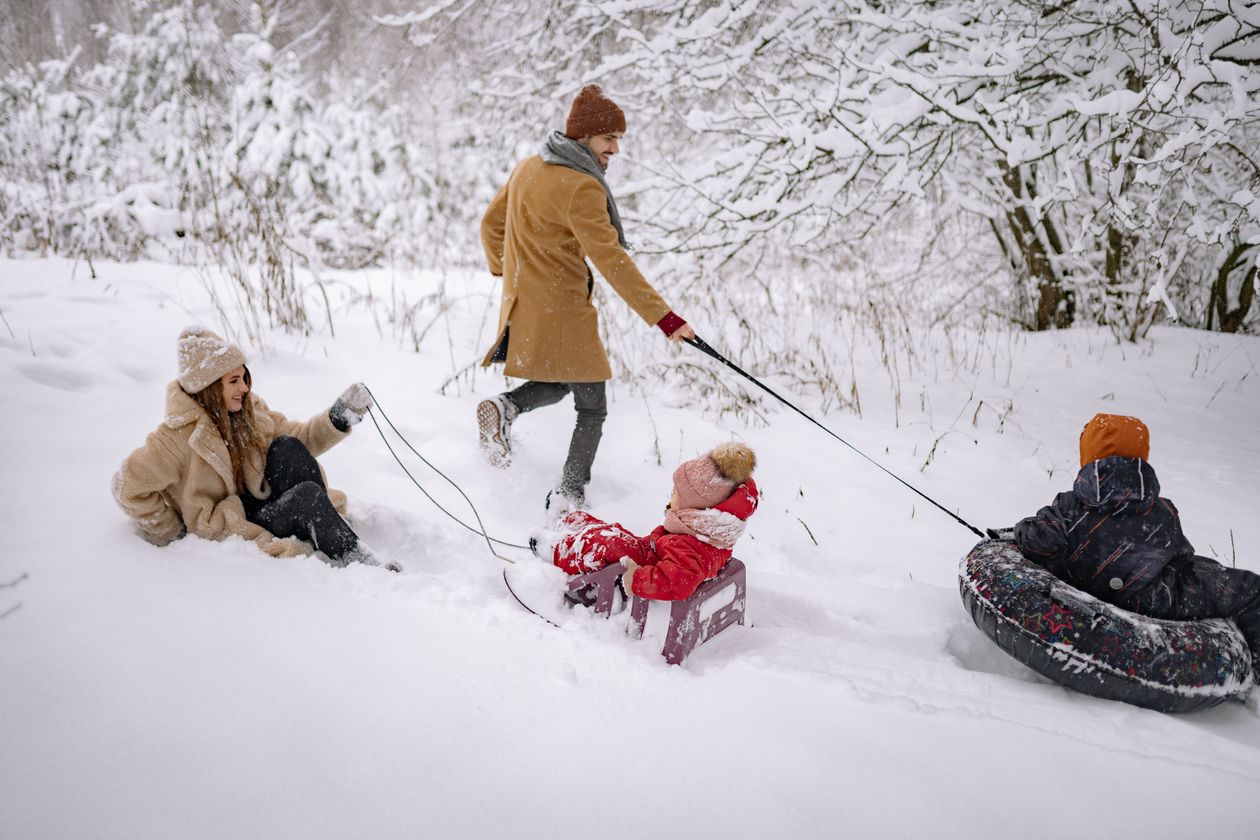
"We're taking the kids to a snow theme park in the Japan Alps for 3 days."
Half-spec ski kit: insulated jackets and pants for everyone, base layers, snow boots, mittens. Goggles optional. See our family snow guide for the full kid logistics.
"My parents want to see snow for the first time in their 70s."
Hokkaido in February is the easiest destination — short car transfers, well-heated hotels, infrastructure built around comfort. Full warmth kit including hand warmers and electric heat-pack body warmers. Don't try to "tough it out" — this is a comfort trip, not an adventure.
The non-clothing kit Japan rewards
- A Suica or PASMO card on your phone — works for trains, buses, and an alarming number of vending machines.
- Hand warmers from any convenience store. ¥100 each, last 8 hours, slip into pockets and gloves.
- Mask culture — winter is high allergy season; masks are common and not stigmatised. Bring one for plane and trains regardless.
- Lip balm. Japan's winter air is shockingly dry indoors thanks to heating.
- Flat-pack umbrella. Useful in Tokyo, useless against Hokkaido wind.
The mistakes we see every year
1. Treating Japan as one climate. Tokyo and Sapporo are 800km apart and 14°C apart in average winter temperature.
2. Bringing ski gear to Tokyo. You'll roast.
3. Bringing Tokyo gear to Niseko. You'll freeze.
4. Trying to buy a parka in Sapporo on day one. Outdoor shops are mobbed during peak season; sizing skews small.
5. Forgetting indoor cold. Old ryokans, traditional restaurants and shrines are not heated like Singaporean malls. Layer accordingly.
The bottom line
Japan rewards specificity. Pack for the city you're actually visiting, not for "Japan in winter" as one concept. The most flexible kit is a mid-tier insulated parka with a merino base layer set — it works for Tokyo on a 5°C day and (with insulated pants and boots added) for a Hokkaido sub-zero day. Rent the heavy stuff. Buy the cheap, lifetime stuff.
And if you're doing more than one Japan in winter — and you almost certainly will, once you've done one — the rental maths gets even better.