Korea is, climate-wise, simpler than Japan: it's mostly one continental winter, with regional variations of intensity rather than fundamentally different climates. But it's also colder, drier, and windier than most Singaporeans expect, and the north-south difference (Seoul to Jeju) is genuinely meaningful.
This is the pillar guide for the four trips Singaporeans actually make: Seoul city break, Pyeongchang ski week, Busan/Jeju mild winter, and the increasingly popular cherry-blossom shoulder season in late March.
The honest weather, region by region
Seoul and the north (Gyeonggi, Incheon)
December average daytime high: 3°C, low: −5°C. January: 1°C / −7°C (coldest month statistically). February: 4°C / −5°C, with milder afternoons but still sharp evenings. Snow: 2–3 light falls per winter, melting within 24 hours typically.
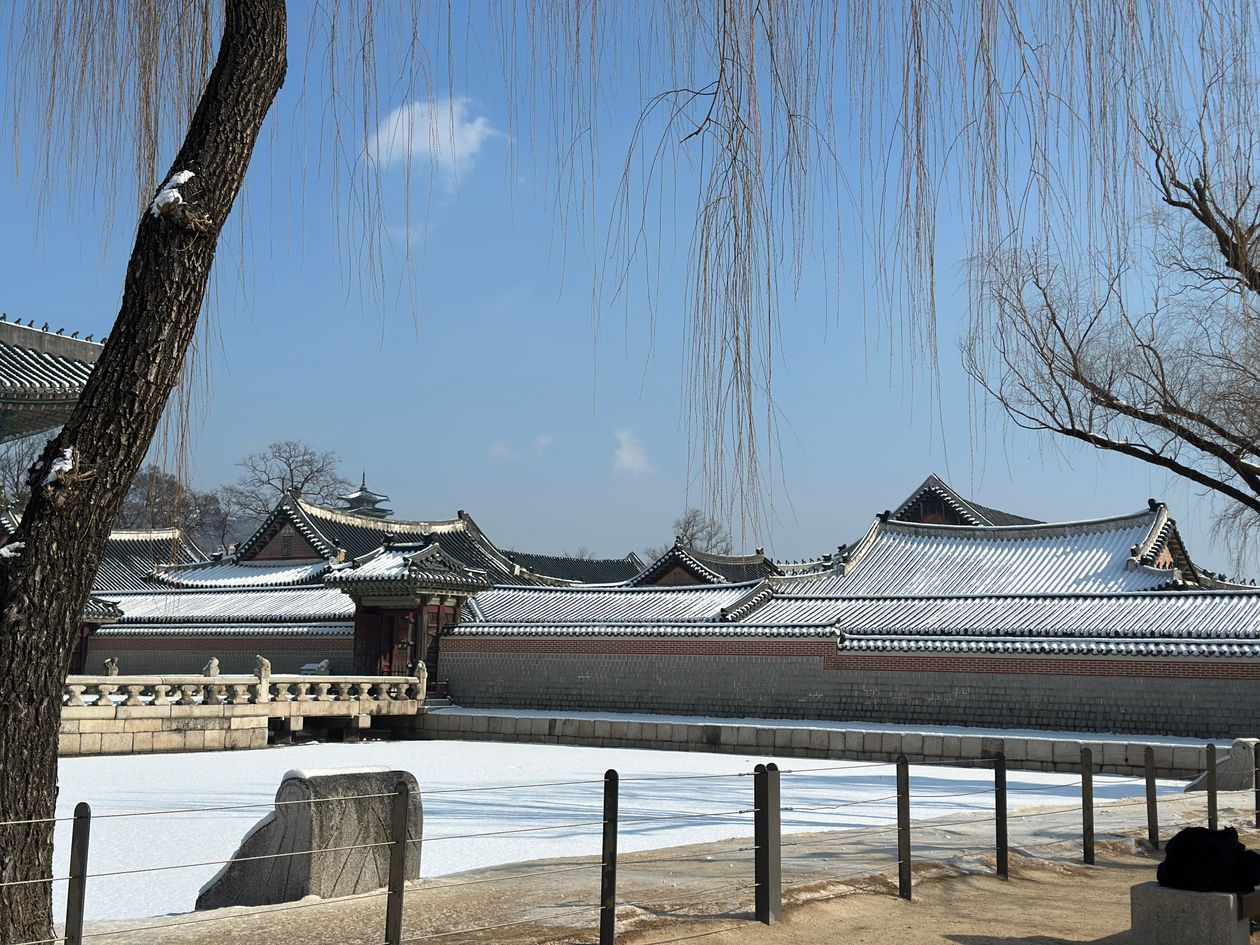
The defining feature: wind. The Han River corridor and the open palace courtyards funnel wind, and felt temperatures regularly drop 3–5°C below the listed forecast.
Busan and the south coast
December: 11°C / 4°C. January: 8°C / 1°C. Coastal, milder, but the wind off the Korea Strait keeps it feeling colder than the numbers. No regular snow.
Jeju Island
December: 13°C / 7°C. January: 10°C / 4°C. The mildest part of Korea and the only spot with a "winter-mild" branding. Halla mountain in the centre still gets snow at altitude.
Gangwon Province (Pyeongchang, Yongpyong)
Ski resort country at 700–1,400m elevation. Daytime highs at the slopes: −5°C in mid-January. Overnight lows: −15°C. Ski-grade kit territory.
The four-trip packing planner
"Seoul long weekend, December."
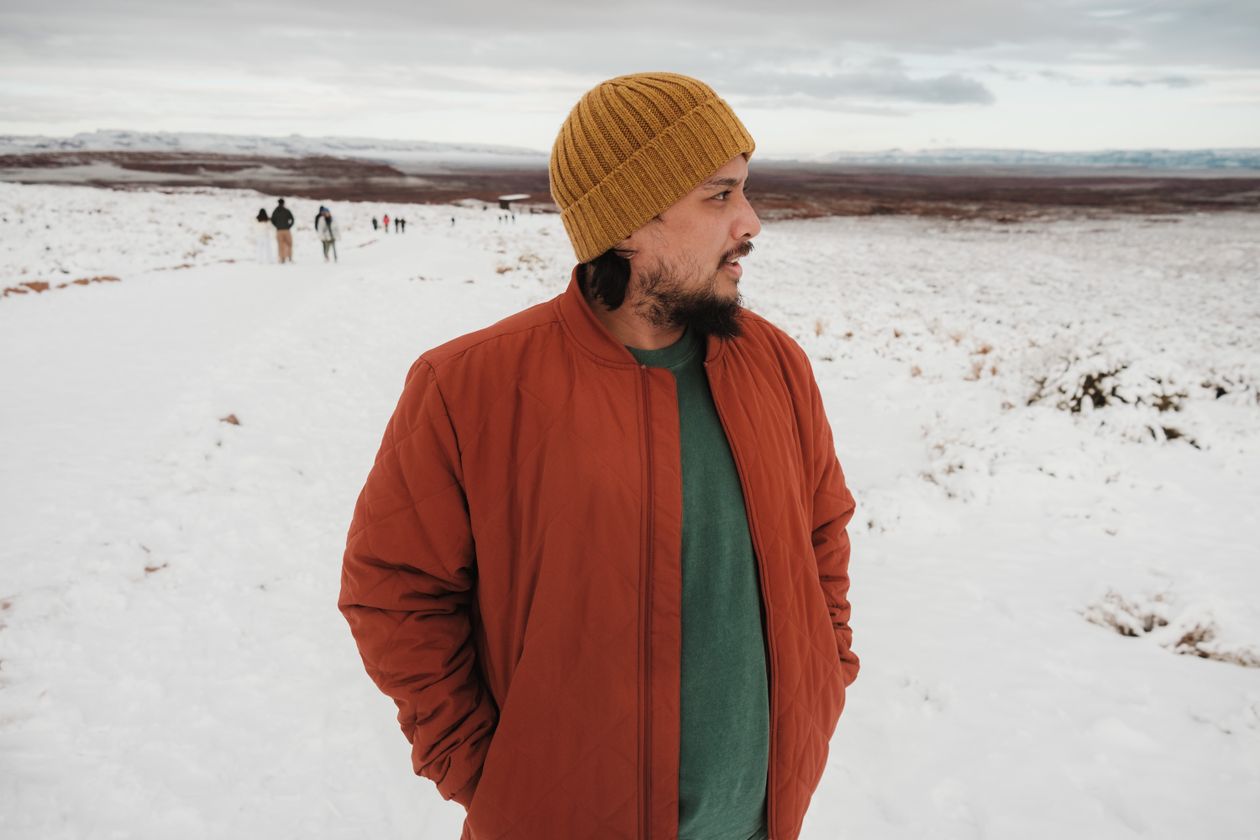
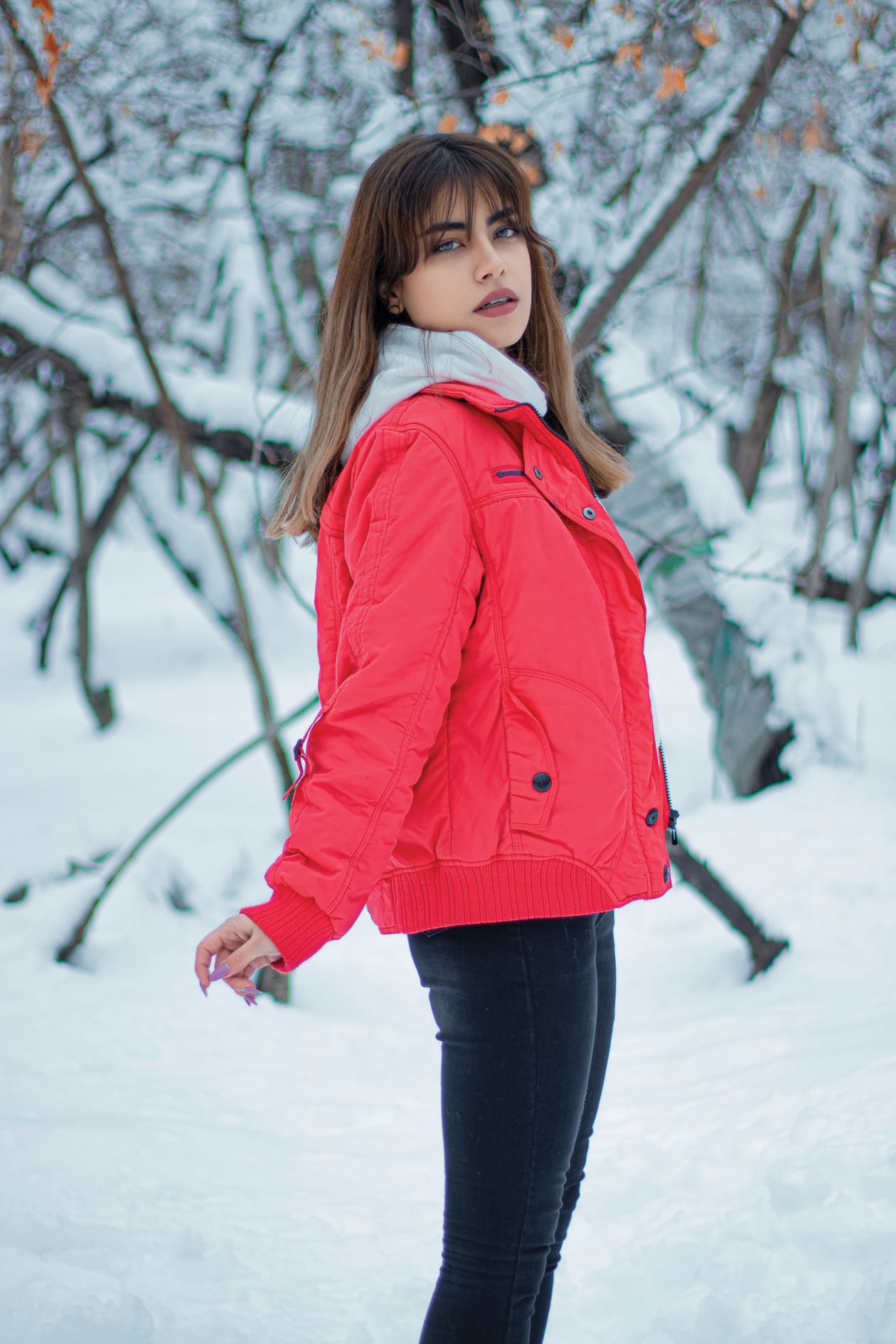
The bread-and-butter Korea trip. Wind-rated insulated parka (the Korean "long padding" is right for this), one merino base layer set, jeans + thermal bottom for the coldest days, waterproof boots with grip, beanie/scarf/touchscreen gloves. See our Seoul packing guide for the detail.
"Pyeongchang ski week, January."
Full ski kit. Temperatures and conditions are similar to Niseko, with slightly less powder and more groomed runs. Same packing principles as Hokkaido: insulated ski jacket and pants (rented), full base layer system, snow boots, mittens. The difference: Korean ski resorts have excellent night skiing under bright lights, which means you'll be on the slopes well past 9pm at sub-zero temperatures. Pack hand warmers liberally.
"Busan / Jeju mild winter, February."
Warm side of the country. Layered city kit, no specialist outerwear needed. A wind-rated jacket plus a fleece is enough. Bring real shoes, skip the snow boots. Worth bringing thermal layers for the Halla mountain hike if you're doing it.
"Cherry blossom season, late March / early April."
The trickiest packing window. Daytime highs of 12°C, overnight lows of 2°C, with sudden cold snaps possible. Layered kit, light insulator, no need for parkas. Bring a lighter rain jacket — spring rain is the variable that ruins blossom photos.
The "long padding" question
You'll see almost every Korean adult wearing a knee-length insulated puffer jacket — the rongpaeding (롱패딩) — in winter. It's a national institution. The reason it works: knee length blocks wind from your trouser line, the hood blocks wind from the back of your neck, and a properly cut Korean parka has tight cuffs that stop wind from running up your sleeves.
For Singaporean visitors, a long padding is the right shape for any Seoul trip. You don't need to spend ₩1.5 million on a Moncler equivalent — a mid-priced rented or bought version with 600+ fill power down (or PrimaLoft 100g/m² synthetic) does the same job. Locals wear all sorts of price points; nobody judges.
The hot-pack economy
Korea runs on hand warmers in winter. Every CU, GS25 and 7-Eleven sells 핫팩 (hot packs) in singles and 5-packs. They cost around ₩1,000 each and last 8 hours. Singaporeans tend to underbuy them. Buy a 10-pack on day one. Tuck them into:
- Both glove pockets
- Inside coat pockets near your kidneys
- The arch of each shoe (the bigger 핫팩 specifically designed for feet)
In Korea, hand warmers are not a luxury. They're infrastructure.
The footwear problem
Seoul pavements ice over in late December and early January. The ramps to older subway exits become slides. Cobble streets in Bukchon get treacherous. Singaporeans land in canvas sneakers and have a bad time.
The minimum: waterproof leather or synthetic boots with a real rubber lug sole. Timberlands, Columbia Newtons, Sorel ankle boots, Doc Martens with grip soles — all fine. Suede is bad (water marks permanently). Bare leather soles are dangerous on ice.
Bring two pairs if you can. A wet pair of boots in a 5°C hotel room takes 2 days to dry properly.
The indoor-outdoor problem
Korean cafés, restaurants, subways and shopping malls are heated to 24–26°C. You will overheat in 90 seconds in a full layered kit. The solutions:
- Unzippable parkas only. Pullover jackets are wrong for this trip.
- Base layers thin enough to be presentable on their own. A merino top can pass as a normal long-sleeve in a café.
- Skip the bulky scarves indoors. Take it off the moment you walk in.
- Carry a small daypack for storing layers when you've shed them.
The mistakes we see every year
1. Underestimating the wind. Forecasts of −5°C feel like −12°C in the wind off the Han.
2. Wrong shoes. Sneakers on iced subway ramps end with a hospital visit.
3. The "I'll buy a long padding when I get there" plan. Korean sizing is small; Myeongdong queues are brutal; you'll feel rushed and overpay.
4. Cotton everything. Cotton hoodies as the warmth layer is a perennial mistake.
5. Not bringing a daypack. You'll need somewhere to put the layers you've shed when you're inside.
The bottom line
Korea rewards a wind-first packing approach. One serious wind-rated parka, one base layer system, sensible trousers, real boots, hand warmers from every convenience store. Buy the cheap forever-items, rent the parka, leave the brand obsession at home.
And if you're going for the cherry blossoms in late March, pack lighter than you think — but bring a rain jacket. The blossoms are brief; the rain is reliable.